Dunnies wildlife
At the heart of Dunnies Farm is its warm and inviting petting-zoo zone. Here’s what makes us special:
- Visitors (especially children) are invited to meet, pet and sometimes feed a variety of farm animals in a safe, supervised setting — creating memorable moments and genuine connection with farm life.
- The tactile experience of stroking lambs, goats or other small friendly creatures encourages curiosity about how animals live and interact in the countryside.
- The layout is designed for ease and comfort, so that even younger children or first-time visitors feel welcome and engaged.
- The combination of the animals with the ambient sounds of rural Aberdeenshire (birds, breeze, open fields) adds to the feeling of escape and authenticity.
- This intimate animal encounter is a standout feature: you’re not merely watching — you’re participating. It’s perfect for families who want something beyond a simple stroll; it’s an experience.
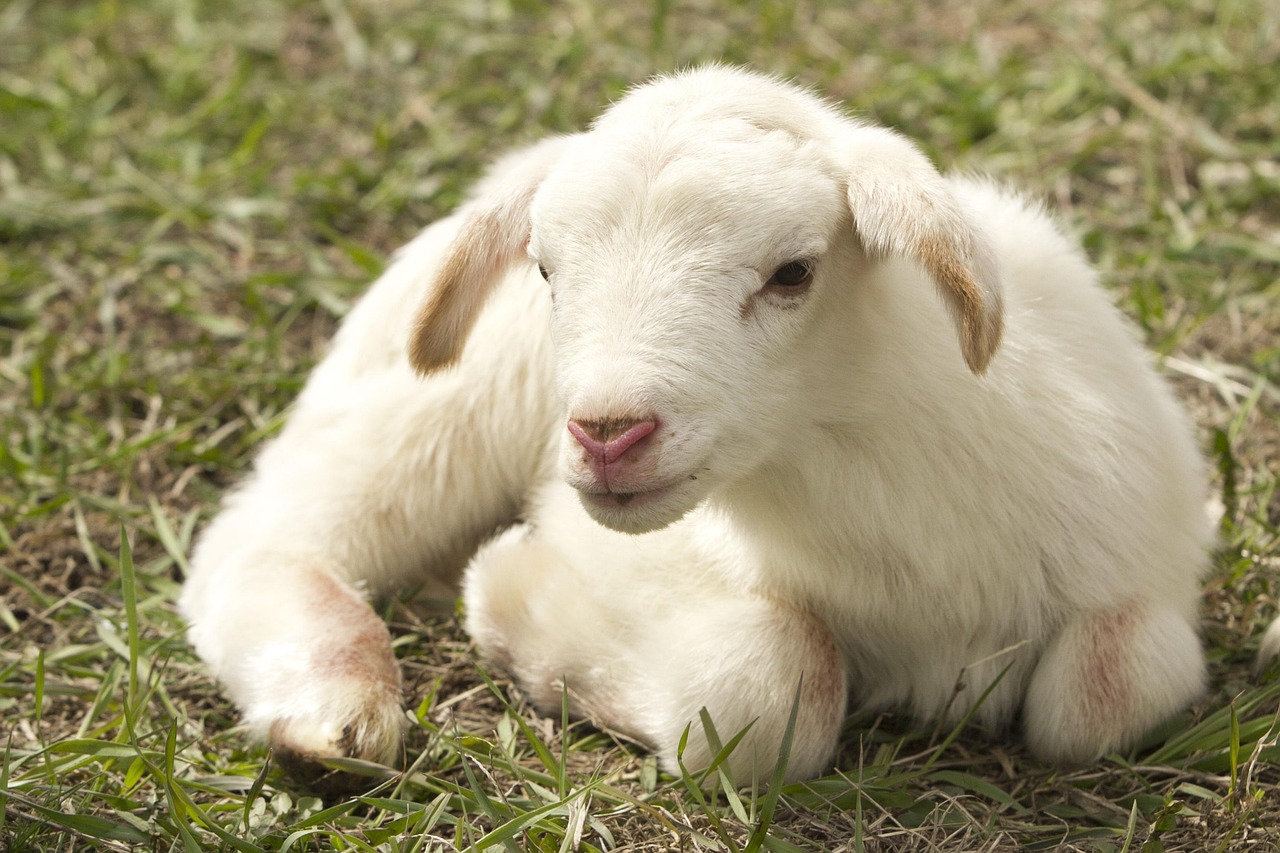
Feeding and animal nutrition
Feeding & Nutrition: Every animal requires
carefully balanced diets and appropriate shelter.
While detailed information on Dunnies Farm’s specific
routines might not be publicly available, you could note
that the farm uses fresh bedding, regular veterinary checks
and age-appropriate feed for the diverse species in the petting zoo.
Hygiene & Biosecurity: To protect both animals and visitors, good petting-farm operations
follow biosecurity protocols (e.g., limiting outside food taken into
the animal area, ensuring visitors use hand-washing stations, supervising
child-animal interactions). The local guidance for petting-farm operations emphasises such practices.
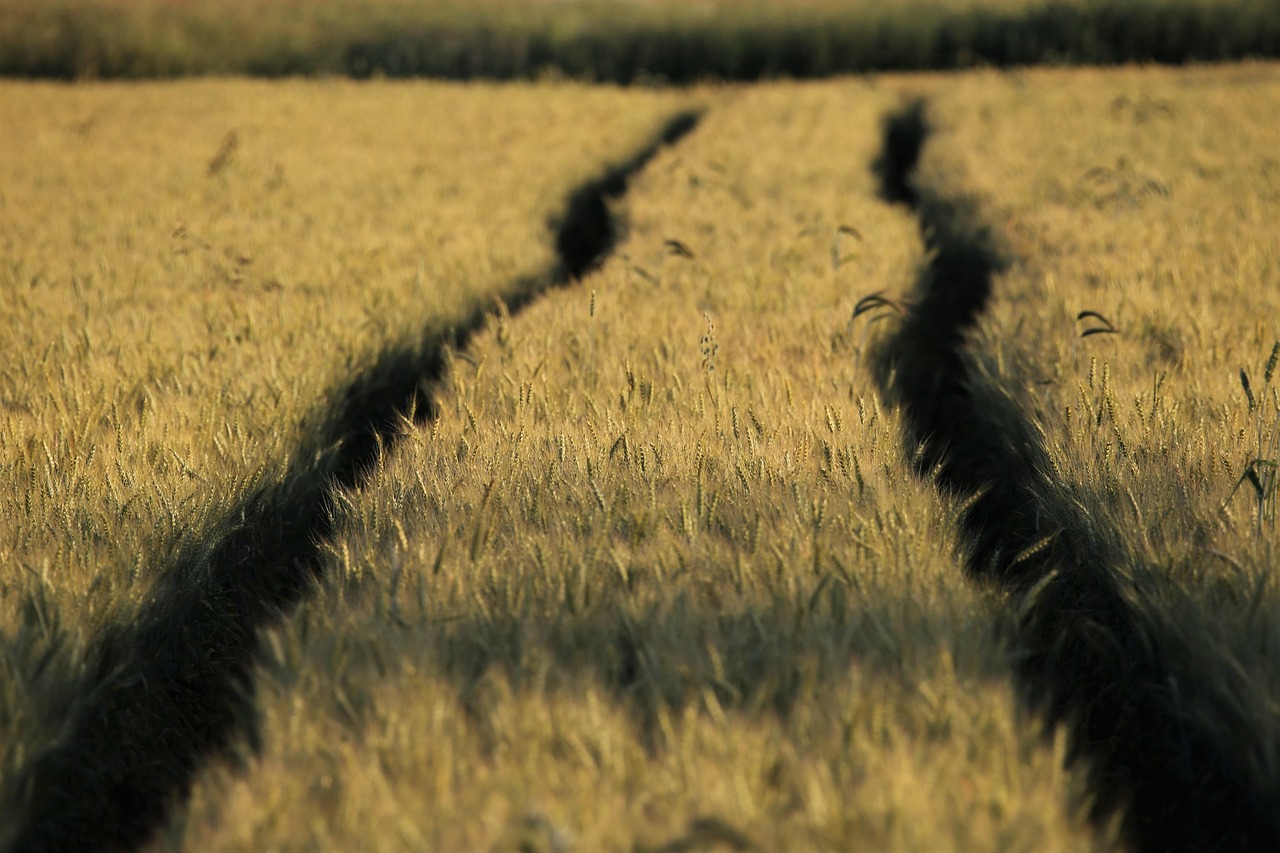
Seasonal care and sleep/hibernation
Animal rest & rotation: To maintain welfare, animals may alternate between “visitor”
zones and quiet paddocks/rest areas, to ensure they are not overstimulated and have time
away from visitors for natural behaviours.
You may wish to highlight that Dunnies Farm ensures all
animals have regular down-time and space away from the public
to relax and refresh.
Seasonal care: In spring/summer months, young animals
may arrive; in colder months, extra shelter, bedding and monitoring may be required.
Mentioning that Dunnies Farm welcomes new lambs/goats in early spring (if applicable)
adds a sense of freshness and excitement to visitor expectations.

Safety and animal welfare
- The local authority emphasises that petting-farm establishments must follow good practice:
e.g., ensuring animals have freedom from hunger & thirst, discomfort,
pain, injury, disease, fear and distress.
- We Encourage hand-washing (or use of sanitiser) after interacting with animals; encourage
gentle behaviour; ensure animals have appropriate shelter, space and rest.
Our different animals in the Petting Zoo
- Lambs & young sheep: Especially in spring, when new arrivals arrive, children can enjoy hand-feeding or gentle petting.
- Goats: Friendly and curious, ideal for petting zones where younger visitors can stroke their coats or simply observe them interacting.
- Piglets/sows: If available, piglets tend to be firm favourites with younger children — watching them snuffle in straw or trot around creates memorable moments.
- Rabbits and small mammals: Often part of an indoor or sheltered area of the petting zoo, ideal for quieter, gentler interactions.
- Poultry (chickens, ducks): These might form the “smaller animal” section of the zoo; they offer a more accessible encounter for the younger or more cautious visitor.
- Possibly miniature ponies or small horses: These may be present in a controlled environment for safe animal-encounters or photo opportunities.
- Playpark
- Woodland Walk
- Sculpture park
